Overview
LFS was instructed in a high-profile multi-handed murder conspiracy prosecution involving allegations of a planned drive-by shooting in Birmingham. The prosecution relied heavily on cell site analysis, telephone attribution evidence, vehicle movement reconstruction, and extensive CCTV material to place the defendant within the alleged conspiracy.
Scope of Instruction
- Review and challenge prosecution cell site evidence
- Analyse call data records and communication patterns
- Review attribution schedules and prosecution timelines
- Conduct detailed CCTV and imagery analysis
- Examine alleged convoy movement and location tracking
- Assess prosecution assumptions regarding mobile phone inactivity
- Prepare analytical schedules and defence-focused evidential summaries
Work Undertaken
LFS reviewed extensive prosecution material including:
- Cell site schedules and call data records
- RF propagation and coverage analysis
- Multiple defendant communication patterns
- Telephone attribution schedules
- Sequence of events schedules
- Hundreds of hours of CCTV footage from multiple Birmingham locations
- Imagery analysis reports and prosecution expert findings
The work involved forensic reconstruction of the alleged movements of the VW Passat said to have been used in the shooting, including detailed examination of whether mobile phone usage data was consistent with the prosecution theory of movement.
LFS critically examined whether:
- The defendant’s phone activity was consistent with the alleged movements of the vehicle
- Cell site usage undermined the prosecution timeline
- Communication inactivity assertions were reliable
- CCTV identification evidence was capable of supporting firm conclusions
- The prosecution expert methodology could safely support attribution findings
Specialist Analysis
The matter required:
- High-volume call data analysis
- Mapping and movement correlation
- Multi-device communication review
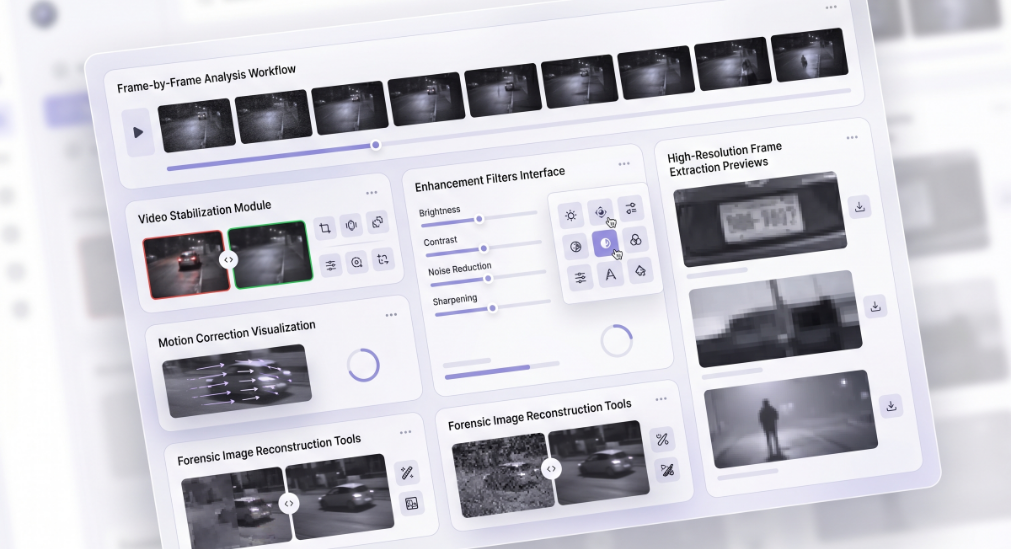
- CCTV enhancement and movement tracking
- Cross-referencing telephone evidence against vehicle movements
- Review of prosecution expert methodology and assumptions
- Preparation of detailed analytical schedules and evidential commentary
Outcome
The matter involved extensive review of prosecution schedules, technical attribution evidence, hundreds of hours of CCTV footage, and complex telephone/cell site material. Independent forensic analysis was undertaken to test the reliability of prosecution inferences regarding alleged co-location, handset movement, communication patterns, and identification evidence.
The case required:
- Independent verification of prosecution charts and schedules
- Review of attribution methodology
- Reconstruction of movement evidence
- Analysis of communication timing and handset activity
- Examination of alleged convoy movements
- Assessment of CCTV timestamps, enhancement, and identification reliability
- Preparation of defence-focused analytical schedules and evidential commentary
LFS assisted the defence team in critically analysing whether the prosecution’s interpretation of the technical evidence safely supported the inferences advanced at trial. The work focused on evidential reliability, limitations of interpretation, and the distinction between raw data and prosecutorial assumptions.
The matter attracted significant local and national attention and involved extensive electronically served evidence, complex technical material, and multi-source forensic analysis requiring coordinated evidential review across multiple defendants and expert disciplines.